
Future-Proofing Your Business with Commercial Solar

In an era where the call for sustainability grows louder by the day, businesses are increasingly turning to renewable energy not just as a badge of environmental responsibility but as a strategic cornerstone for future stability and growth.
Commercial solar energy emerges as a beacon of opportunity among the numerous green energies. It allows companies to significantly reduce their carbon footprint and secure their operational future in rapidly evolving markets.
Implementing commercial solar is not an environmental decision but a forward-thinking move toward ensuring long-term business sustainability and success. Discover how commercial solar has become an essential asset for future-proofing businesses, blending economic benefits with competitive advantages and technological advancements for a greener, more resilient corporate landscape.
The Rising Demand for Renewable Energy in Your Business
Across the globe, renewable energy usage is not just growing—it's soaring. You're part of a world where renewable resources now power an ever-increasing share of the grid, with solar energy shining as a leading light. This isn't a fleeting trend; it's the direction the world is decisively moving. Statistically, renewables are expected to constitute 90% of the total power capacity expansion globally in the next five years, with solar power at the forefront. Imagine being part of that monumental shift.
Your customers are watching closely, too. They're not just hoping you'll adopt sustainable practices but expecting it. Recent surveys reveal that over 70% of consumers favor companies with a strong, visible commitment to environmental sustainability. By leaning into renewable energy, especially solar, you're not just making an operational decision; you're making a statement about who you are and what you value.
Solar energy is transitioning from an alternative to a standard in operations like yours. It’s becoming clear that to stay competitive and resonate with your client base, integrating solar energy into your operations isn't optional—it's imperative. This shift toward sustainability isn't just about keeping up with your competitors; it's about leading an economy that increasingly rewards foresight, innovation, and a commitment to the planet.
In embracing solar energy, you align yourself with these global trends, meeting and exceeding consumer expectations while setting a new standard in your industry for what it means to be a forward-thinking, sustainable operation.
Understanding Commercial Solar Energy
Solar power, for your company, works on a practical concept; turning sunlight into electricity, which in turn fuels your business activities, cuts down on your energy costs, and reduces your impact on the environment. Here’s a breakdown of how it works and the types of commercial solar systems available to you:
1. How It Works:
-
Solar panels, made up of photovoltaic (PV) cells, are set up on your premises. These cells capture sunlight.
-
The PV cells transform the captured sunlight into DC) electricity.
-
An inverter then changes this DC electricity into alternating AC) electricity, the standard form used to run most structures.
-
Your operations use this AC electricity, with any surplus being able to be stored in batteries or sent back into the power grid, often resulting in credits through metering.
2. Types of Commercial Solar Systems:
-
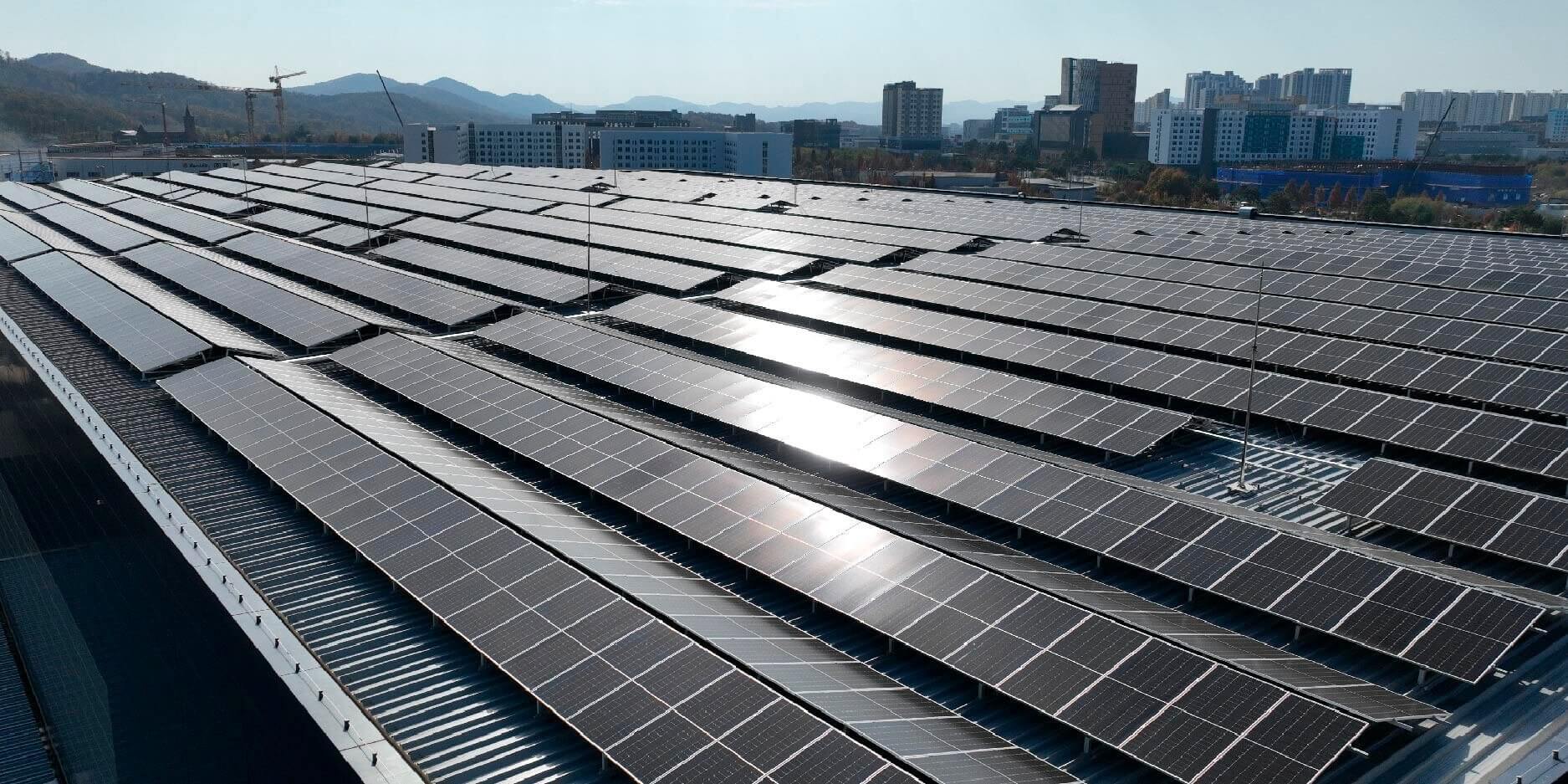
Rooftop Solar Systems: These are the most common types, and solar panels are installed on the roof of your business premises. It's ideal for maximizing unused space and directly reducing your building's electricity costs.
-
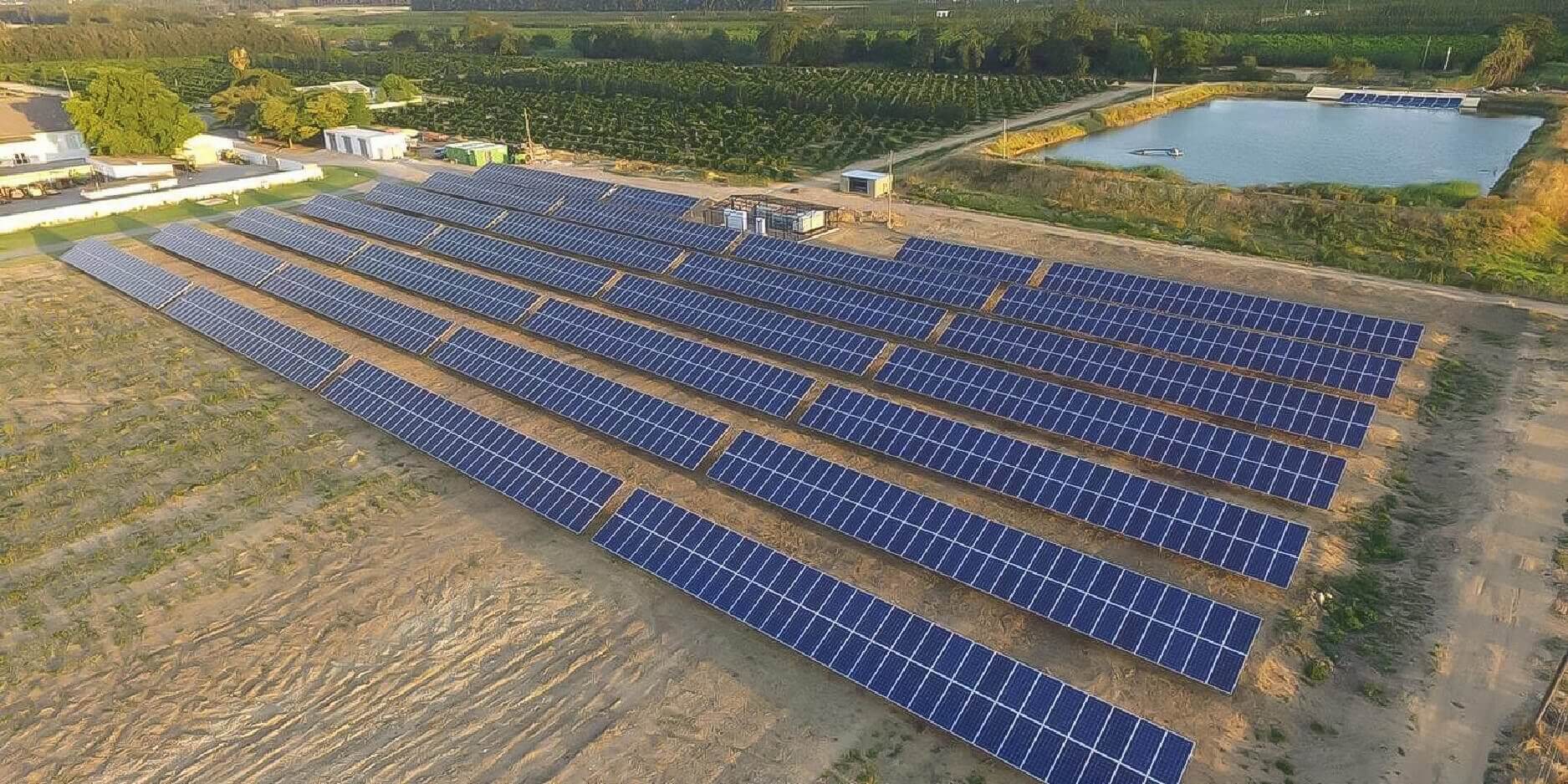
Ground-Mounted Solar Systems: Ground-mounted systems are an excellent alternative if roof space is limited or unsuitable for solar panels. They are installed on open land and can be scaled to meet your energy needs.
-
Solar Carports: An innovative dual-purpose solution, solar carports provide covered parking for vehicles while harnessing solar energy. They leverage existing parking areas without requiring additional land.
Each of these systems offers unique benefits, and you can tailor them to fit your business's specific needs. Whether you're limited by space, looking to maximize energy production, or seeking a multifunctional solution, there's a commercial solar option designed to effectively meet those needs.
What are the Economic Benefits of Commercial Solar?
Switching to commercial solar isn’t just good for the planet—it's a savvy business move. Explore the financial advantages that come with integrating solar energy into your operations:
1. Cost Savings Over Time:
The most immediate benefit you'll notice is the significant reduction in your electricity bills. Solar power shields you from fluctuating and rising energy costs, providing a more predictable and significantly lower expense structure over time. This is critical for long-term financial planning and operational budgeting.
2. Tax Incentives and Government Subsidies:
To encourage the adoption of renewable energy, many governments offer tax incentives and subsidies for businesses that install solar panels. These can include deductions, credits, or rebates on the cost of solar panel installations. For instance, the Inflation Reduction Act in the U.S. includes provisions offering substantial benefits to businesses making green investments.
3. Return on Investment (ROI) Analysis:
The ROI on commercial solar can be impressive. While the initial investment might seem substantial, reduced utility costs and tax benefits lead to a break-even point often reached within a few years. After that, your business generates free electricity, leading to substantial net savings over the life of the solar panels, which can be 25 years or more.
4. Case Studies:
Discover three distinct instances that showcase the economic benefits of commercial solar through SolarEdge's solutions:
1. Marlenique Estate: Pioneering Floating PV in South Africa*
At the heart of South Africa's Western Cape, Marlenique Estate, a picturesque farm and renowned wedding venue, confronted the challenge of rising energy costs and sporadic power outages known as load shedding. By integrating SolarEdge's ground-mounted and innovative floating PV systems, Marlenique Estate insulated itself against escalating electricity prices and established a precedent in renewable energy adoption within the region. This strategic move ensured uninterrupted operations and showcased the estate's commitment to sustainability, attracting eco-conscious clients and setting a benchmark in the agricultural sector for energy independence.
2. Supermercado Cristal: Rooftop Revolution in Brazil
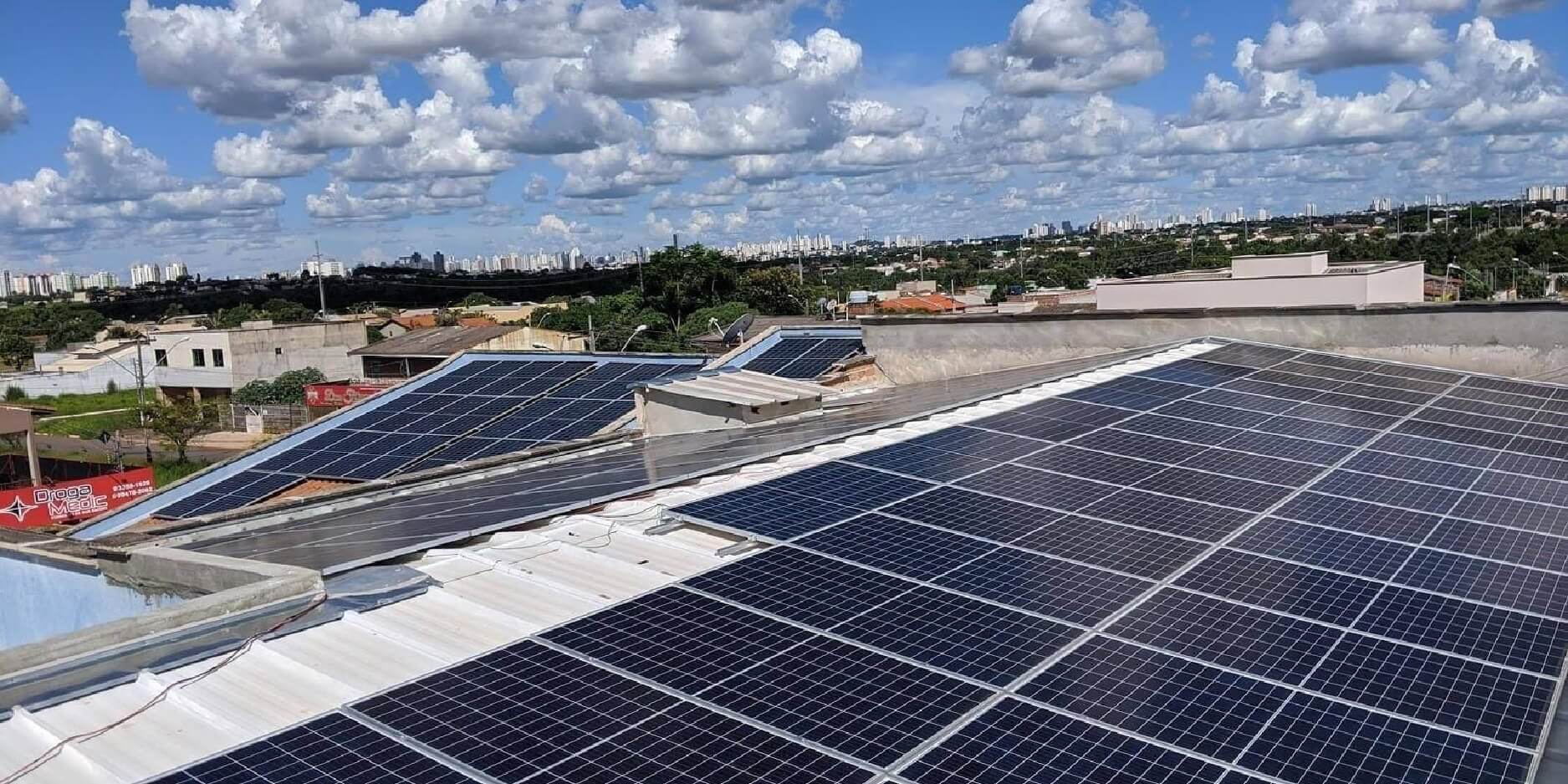
In Brazil, Supermercado Cristal faced the common business dilemma of managing high monthly overhead costs, specifically electricity bills that were eating into its profitability. Turning to SolarEdge for a Rooftop PV System solution, the supermarket was able to reduce its energy expenses significantly. The decision to adopt solar energy translated into lowered operational costs and positioned Supermercado Cristal as a leader in environmental responsibility in its community, enhancing customer loyalty and attracting new shoppers who value sustainability.
3. Wisconsin City Hall: Embracing Solar for a Sustainable Future
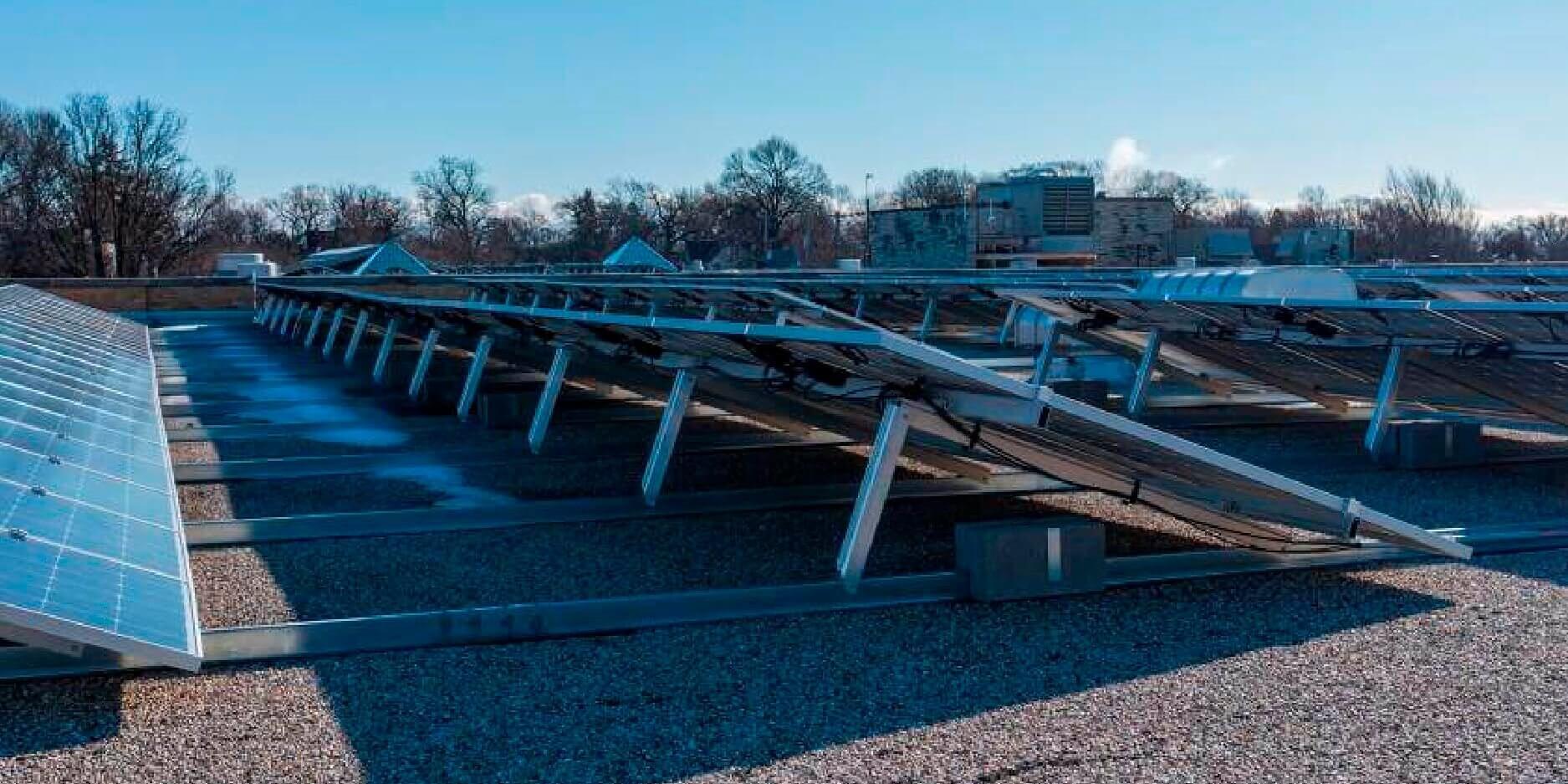
The city hall of a forward-looking municipality in Wisconsin embarked on a mission to reduce its carbon emissions by approximately 50% and meet aggressive sustainability targets. By implementing a SolarEdge Rooftop PV system, the city hall substantially cut down its energy consumption and costs. It became a shining example of how government entities can take charge of adopting renewable energy solutions. This initiative bolstered the city's reputation as an environmentally conscious community and demonstrated fiscal responsibility by reducing long-term operational costs, showcasing a replicable model of sustainability in public administration.
These case studies from SolarEdge highlight the tangible economic benefits and strategic advantages that commercial solar brings to diverse sectors. By reducing operational costs, leveraging tax incentives, and enhancing brand reputation through sustainability commitments, businesses are finding solar not just a path to green energy but a smart economic choice.
By investing in commercial solar, you’re not just future-proofing your business against rising energy prices but investing in a financially sound, sustainable future. The combination of immediate cost savings, compelling tax incentives, strong ROI, and inspiring success stories underscores why solar energy is not just an operational expense but a strategic asset for your business.
What Competitive Advantage Will I Get from Installing a Commercial Solar System in My Business?
Implementing a commercial solar system does far more than just reduce your energy bills; it strategically positions your business in a competitive market by:
1. Enhance Brand Image and Reputation:
Today’s consumers and clients respect businesses that take proactive steps toward sustainability. By adopting commercial solar, you're publicly committing to reducing your carbon footprint, strengthening your brand's image as an eco-friendly leader.
2. Attract Eco-conscious Consumers and Clients:
A growing segment of the market prioritizes sustainability in their purchasing decisions. Showcasing your investment in solar energy draws the attention of these eco-conscious consumers and can sway their choice in your favor.
3. Meet Supplier and Partner Sustainability Requirements:
Many corporations now mandate that their supply chain partners adhere to specific environmental standards. Your solar installation demonstrates compliance with these green initiatives, making your business an attractive partner.
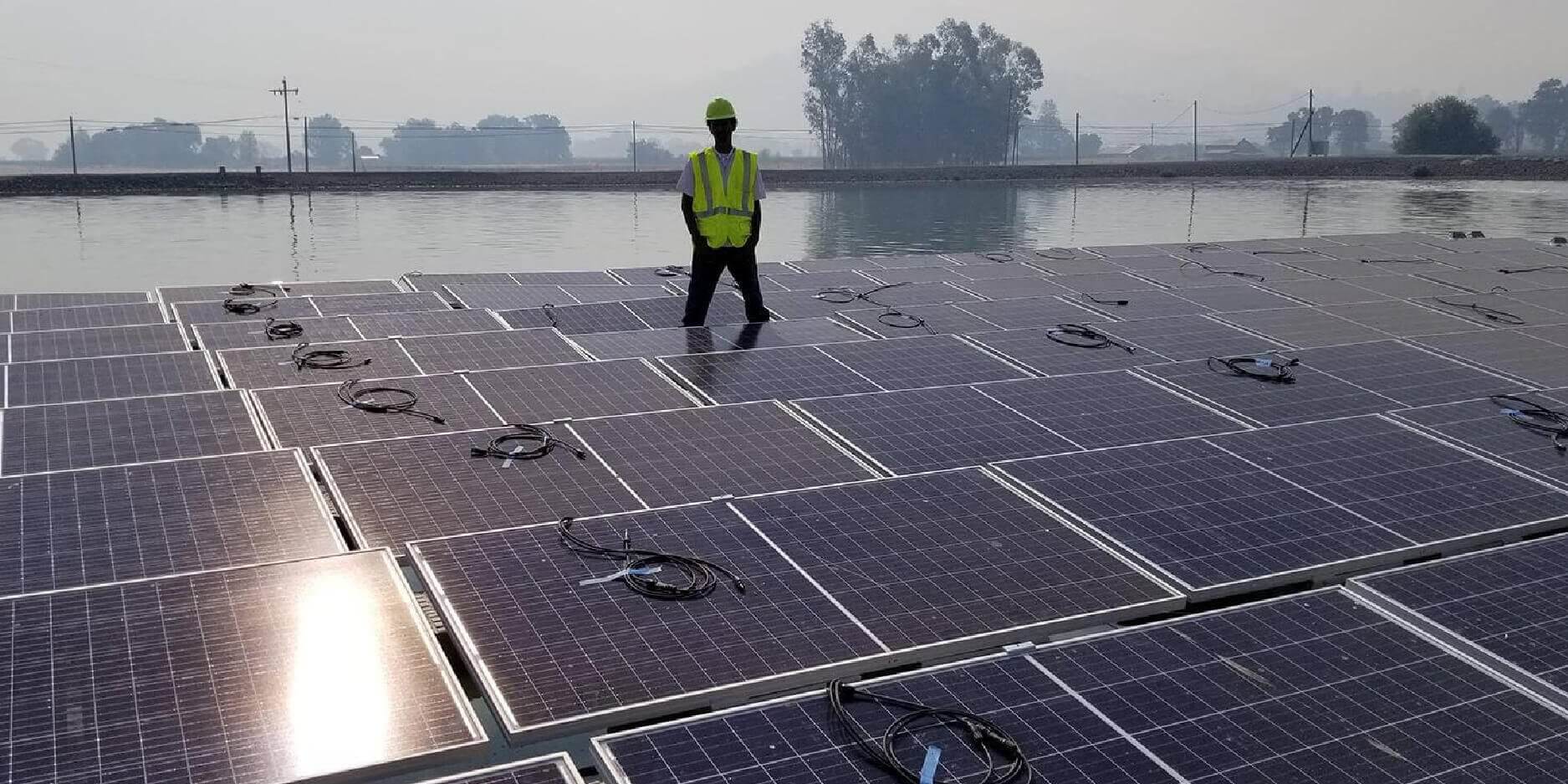
Case Studies Highlighting Competitive Advantage through Solar Adoption:
Lake County Special Districts: Sustainability Pays Off
In California, the Lake County Special Districts turned to SolarEdge's floating solar solutions to power its costly wastewater treatment operations. This strategic choice catapulted the Districts into the limelight for innovation in renewable energy usage and their commitment to fiscal responsibility and environmental stewardship. Their pioneering step attracted attention from other municipalities and clients interested in sustainable public utilities, thus enhancing their brand reputation significantly.
D.C. United’s Audi Field: Scoring with Solar
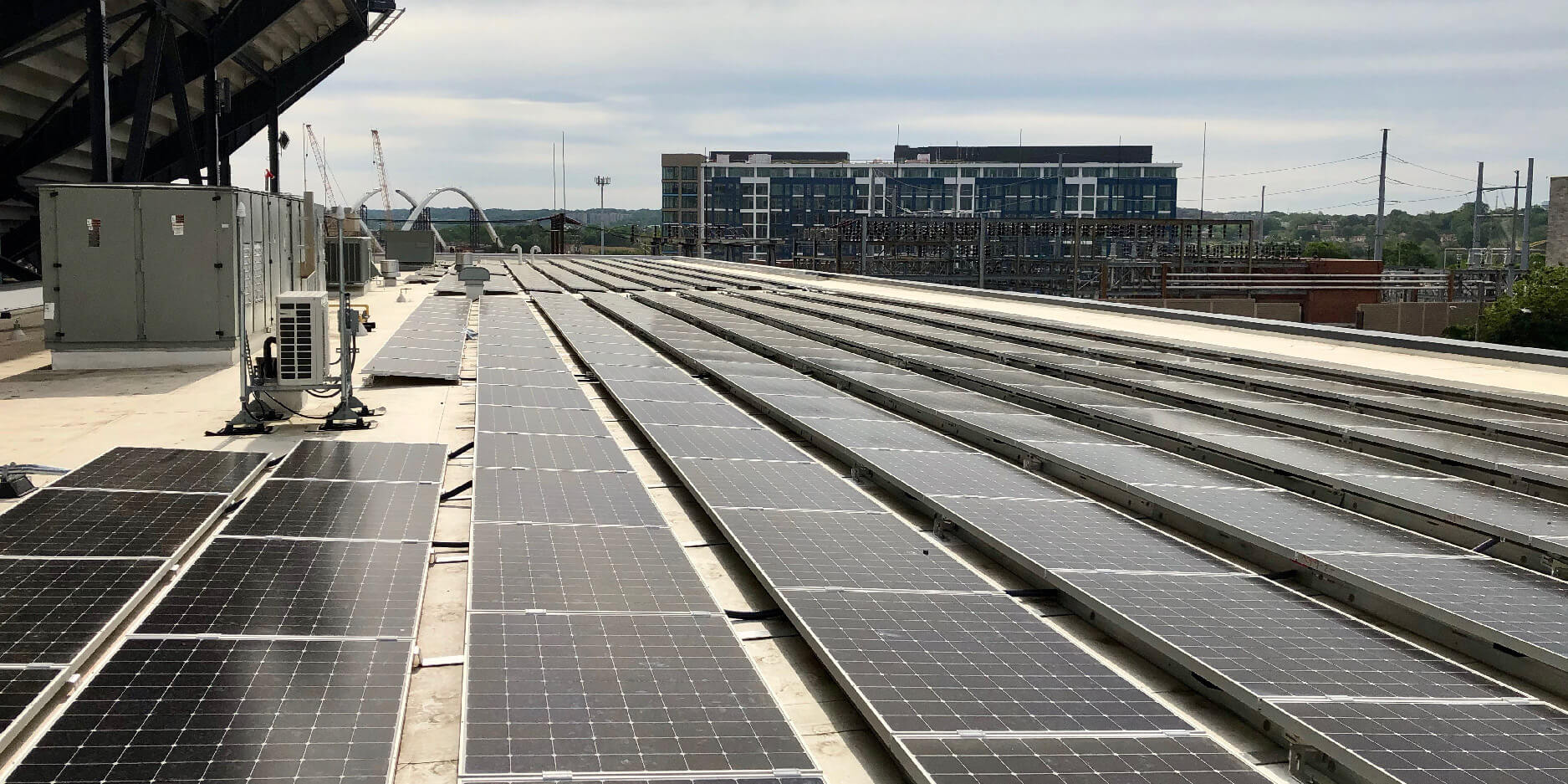
D.C. United made an impactful decision to install a SolarEdge Rooftop and Canopy PV System at Audi Field, setting an example in the sports industry. This move saved approximately $30K/year in utility costs and positioned D.C. United is an environmental leader in the sports world. The installation demonstrates the commitment to sustainability, attracting partnerships and fans who prioritize eco-friendliness, showcasing the direct link between solar adoption and enhanced brand reputation.
Edison High School: Educating with Solar
Edison High School wasn't just looking to lower its electricity bills when it installed a SolarEdge rooftop system; it aimed to integrate renewable energy into its STEM program. This initiative did more than just reduce energy costs—it drew positive attention from parents, students, and the community, showcasing the school's dedication to practical, forward-thinking education. Edison High's commitment to sustainability and education has made it a standout institution, attracting enrollments and partnerships from those who value academic excellence and environmental responsibility.
Through these diverse case studies from SolarEdge, it's clear that commercial solar systems offer significant competitive advantages beyond the balance sheet. By enhancing your brand’s image, attracting a growing market segment, and meeting increasingly common sustainability criteria, solar power becomes not just an energy solution but a strategic business advantage.
How Can I Integrate Solar Energy in My Business Operations?
Incorporating solar energy into your business operations is a transformative decision, promising environmental and economic benefits. Here's a step-by-step guide to seamlessly integrate solar energy within your business:
1. Assessment of Energy Needs and Solar Potential:
Begin with a comprehensive assessment of your current energy consumption and needs. This includes analyzing your energy bills to understand usage patterns.
Conduct a solar potential assessment of your property. This could involve evaluating the suitability of your rooftops or available land for solar panels, considering factors like exposure to sunlight, shading, and structural integrity.
2. Planning and Installing a Commercial Solar System:
Partner with a solar solutions provider to design a system tailored to your energy needs and operational goals. This plan should align with your budget and desired outcomes, such as reducing energy costs or achieving sustainability targets.
Installation involves installing solar panels, inverters, and other necessary equipment. Professional installers will ensure the system adheres to all local regulations and standards.
3. Integrating Solar with Existing Energy Infrastructure:
Integrating your new solar system with the existing energy infrastructure is crucial. This may require updating or modifying current electrical systems to accommodate solar electricity.
Consider a hybrid system that combines solar power with your existing energy sources. This ensures energy reliability and allows you to maximize the benefits of solar energy alongside traditional power sources.
4. Maintaining and Monitoring Solar Systems for Optimal Performance:
Regular maintenance is key to the longevity and efficiency of your solar system. This might include cleaning the panels and checking for any physical damages or electrical issues.
Implement a monitoring system to track the performance of your solar array in real-time. Many modern systems offer detailed energy production and consumption analytics, enabling you to identify and address any inefficiencies promptly.
By following these guidelines, you can effectively incorporate power into your business processes, resulting in lower energy expenses, reduced environmental impact, and a more profound dedication to sustainability. Embracing energy isn't merely adopting technology—it involves rethinking how you consume energy and steering your company toward a more sustainable tomorrow.
What Challenges and Considerations are Involved?
While the shift to commercial solar promises considerable benefits, it's accompanied by challenges and considerations that demand careful planning and execution. Here’s a closer look at some of these critical hurdles:
1. Addressing Initial Investment Concerns:
The upfront cost of installing a commercial solar system can pose a significant barrier for many businesses. Despite the long-term savings and environmental benefits, the initial investment required for solar technology, installation, and infrastructure updates can be daunting.
Solution: Explore financing options and government incentives. Many regions offer grants, tax credits, and favorable loan terms to businesses adopting solar energy. Additionally, solar providers may offer leasing or power purchase agreements (PPAs), allowing you to install solar panels with little or no upfront cost.
2. Overcoming Logistical and Site-specific Challenges:
Every business location has unique attributes that can impact the feasibility and design of a solar installation. Challenges such as limited roof space, unsuitable roof conditions, or shading from surrounding buildings can complicate installation.
Solution: Conduct a thorough site assessment with a solar energy expert to explore alternative options like ground-mounted systems, solar carports, or off-site solar farms that can cater to your energy needs without the constraints of your immediate physical environment.
3. Ensuring Compliance with Local Regulations and Policies:
The complexities of building codes, permits, and installation regulations can feel daunting. Not adhering to these rules could lead to penalties and project delays. You might even need to make changes to or uninstall set-up systems.
Solution: Collaborate with experts who deeply understand local regulations and can handle the permit procedures for you. Their knowledge can guarantee that your solar initiative meets all criteria, such as zoning regulations, construction codes, and electrical norms, making the approval process smoother and reducing complications.
Facing these obstacles, though formidable, you can overcome them. You can surmount these challenges through strategizing, collaboration, and adequate resources. You will successfully incorporate solar power into your business activities. This initiative sets the stage for an environmentally sustainable and economically viable future. By tackling these factors, you are committing to renewable energy and taking proactive steps toward a greener and more sustainable world.
What is the Role of Technology in Enhancing Commercial Solar Efficiency?
The intersection of technology and commercial solar energy is a dynamic frontier, constantly pushing the boundaries of efficiency, reliability, and sustainability. Here’s how technology plays a pivotal role in optimizing commercial solar systems:
1. Innovations in Solar Technology and Energy Storage:
Advances in photovoltaic (PV) cell technology have boosted their efficiency, enabling them to convert sunlight into electricity. For example, bifacial solar panels capture sunlight from both sides, maximizing energy production under less-than-ideal conditions.
Energy storage technology, like lithium-ion batteries, has improved storing surplus solar energy generated during peak sunlight. This stored energy can then be used during off-peak hours or at night, ensuring an energy supply and reducing dependence on the grid.
2. Smart Grids and Energy Management Systems:
Smart grids enable a more dynamic interaction between solar energy production and your business's energy needs. Through real-time data analytics and automated control systems, smart grids can optimize energy distribution, prioritize solar energy use, and reduce operational costs.
Energy management systems (EMS) give businesses unprecedented control over energy use. By monitoring and managing energy consumption and production, EMS can identify energy inefficiencies, predict energy needs, and schedule energy use to coincide with solar energy availability, enhancing overall efficiency.
3. Future Technological Trends in Commercial Solar
New technologies, like perovskite cells, promise to deliver efficiencies and reduce manufacturing costs compared to current solar panels. This could lead to a drop in energy expenses allowing a more comprehensive range of businesses to access it.
The advancement of inverters and blockchain technology will transform energy distribution, management, and trading. Smart inverters can improve the alignment of energy production with demand. At the same time, blockchain has the potential to enable transparent peer-to-peer energy transactions, potentially transforming businesses with setups into energy providers.
Artificial Intelligence (AI) and the Internet of Things (IoT) are ready to improve system maintenance by reducing downtime and extending component lifespans. These technologies can forecast equipment failures in advance and schedule preventive maintenance. They ensure solar systems operate at peak efficiency.
The relentless pace of technological innovation in solar energy and related fields dramatically enhances commercial solar efficiency. By embracing these advancements, businesses can optimize their solar investments for maximum return and contribute more effectively to a sustainable energy future.
Preparing for the Future: Long-Term Implications
Embracing solar energy today situates businesses at the forefront of long-term sustainability and growth. As the world gravitates towards cleaner energy solutions, solar power secures your place in an eco-conscious market and ensures resilience against fluctuating energy costs and regulatory shifts.
The transition to solar is more than an environmental statement; it's a strategic adaptation to the inevitable energy trends and policy changes. As governments worldwide intensify efforts to combat climate change, businesses that have already adopted solar find themselves ahead of compliance curves, avoiding the rush and potential costs associated with future mandates.
Integrating solar energy into your operations fosters a perception of innovation and responsibility, garnering customer, employee, and partner trust and loyalty. This strategic positioning can significantly influence your market presence, enhancing your competitive edge. The ongoing impact of solar adoption redefines business growth and stability, embedding sustainability as a cornerstone of success in the emerging green economy.
Solar-Powered Success: A Bright Future for Business
Compelling economic benefits, a fortified competitive edge, and cutting-edge technological advancements pave the journey toward integrating commercial solar energy from significantly reducing operational costs to enhancing your brand's reputation among eco-conscious consumers, solar energy positions your business as a leader in sustainability and innovation.
The rapid pace of technological progress in solar solutions promises improved efficiency and increased accessibility and integration within the evolving energy landscape.
Adopting solar energy is not merely a tactical move but a strategic approach to ensuring long-term business resilience and growth. It prepares your organization to confidently navigate future energy trends and policy changes, securing a place in the competitive market of tomorrow. The message is clear: transitioning to commercial solar is an investment in your business's sustainable and prosperous future.
We encourage businesses to explore the vast potential of commercial solar energy. By taking this step, you're not just powering your operations with clean energy; you're future-proofing your business, contributing to a sustainable planet, and paving the way for a bright and prosperous future. Consider the transition to commercial solar today and turn the promise of renewable energy into your business reality.
Elevate your business with SolarEdge's cutting-edge commercial solar solutions. Join the renewable energy revolution today and start reaping the benefits of sustainability, efficiency, and innovation.
References and Further Reading
Here is a list of 10 resources for further reading and reference on commercial solar energy:
1. National Renewable Energy Laboratory (NREL) Report: "U.S. Solar Photovoltaic System and Energy Storage Cost Benchmark:" - Detailed cost analysis of solar PV systems for residential, commercial, and utility-scale projects in the U.S.
2. Solar Energy Industries Association (SEIA) Report: "Solar Means Business " - Overview of corporate solar adoption in the U.S., including top corporate solar users and trends.
3. Department of Energy (DOE) Guide: "A Guide to Community Solar" - Comprehensive guide on community solar projects, covering benefits, design, implementation and state policies.
4. Rocky Mountain Institute (RMI) Report: "The Economics of Clean Energy Portfolios" - Analysis of the cost competitiveness of clean energy portfolios vs. proposed gas-fired generation.
5. Lawrence Berkeley National Laboratory (LBNL) Journal Article: "Revisiting the Long-Term Hedge Value of Wind Power in an Era of Low Natural Gas Prices" - Examines the hedge value of wind energy against volatile natural gas prices.
6. International Renewable Energy Agency (IRENA) Report: "Solar PV in Commercial Buildings" - Discusses benefits and economics of solar PV for commercial buildings with global case studies.
7. National Renewable Energy Laboratory (NREL) Report: "Best Practices in Commercial and Industrial (C&I) Solar Photovoltaic System Installation" - Reviews best practices for successful C&I solar projects.
8. Smart Electric Power Alliance (SEPA) Report: "Beyond the Meter: Commercial & Industrial Demand Response" - Explores opportunities to leverage C&I demand response with distributed energy resources.
9. Department of Energy (DOE) Better Buildings Resources: "Renewables Integration" - Collection of DOE resources on integrating renewable energy into C&I buildings.
These resources offer in-depth data, analysis, and insights on various aspects of commercial solar energy from economic, technical, and policy perspectives. The list includes a mix of government, industry associations, think tanks and private sector sources to provide a well-rounded view.
Frequently Asked Questions by Business Owners
What makes commercial solar a viable option for future-proofing businesses?
Commercial solar offers long-term energy cost reductions aligns with shifting consumer expectations towards sustainability and prepares businesses for evolving environmental regulations, making it a strategic asset for future-proofing.
How much can a business save on energy costs by switching to solar?
Businesses can typically see a substantial reduction in energy costs, often between 50% to 75%, depending on system size, location, and energy usage patterns.
What are the initial investment and long-term maintenance costs of commercial solar systems?
The initial investment for commercial solar systems varies by size and complexity, with maintenance costs being relatively low, focusing mainly on regular inspections and cleaning.
Are specific types of businesses or industries most benefit from commercial solar?
While most businesses can benefit from commercial solar, those with high energy usage, large roof spaces, or operations during peak sunlight hours see the most significant advantages
How do government incentives and tax breaks work for businesses installing solar panels?
Government incentives for businesses installing solar panels include tax credits, depreciation benefits, and sometimes direct subsidies or rebates, varying by location and specific policies.
Can commercial solar systems be integrated with existing energy infrastructure?
Yes, commercial solar systems can often be integrated with existing energy infrastructure, providing a supplementary power source and reducing overall dependence on the grid.
How long does it typically take for a business to see a return on its investment in solar energy?
The time to see a return on investment can vary, but it is typically 5 to 10 years, influenced by factors like local energy costs, system size, and available incentives.
How do energy storage solutions work with commercial solar systems?
Energy storage solutions store excess solar power produced during peak sunlight, which can be used during off-peak hours, enhancing system efficiency and energy independence.
What should businesses consider when choosing a commercial solar provider or installer?
When choosing a provider, businesses should consider the installer’s experience, project portfolio, customer reviews, warranty offerings, and ability to navigate local regulations and incentives.
How does commercial solar power impact a business's operational resilience?
Commercial solar power increases a business's operational resilience by reducing energy cost volatility, ensuring energy independence, and meeting consumer and regulatory demand for sustainable practices.


