Calculating Your Home Solar Energy System Needs: A Step-by-Step Guide

Are you thinking of switching to solar power for your home but are unsure how many solar panels you need? You're not alone.
Exploring solar energy can be exciting and overwhelming, especially when you understand the specifics of energy needs, efficiency, and system sizing. We have crafted this guide to simplify the process for you, ensuring that you grasp the basics and the nuanced aspects that make your solar energy system as efficient and tailor-made for your home as possible.
From understanding how shading affects panel efficiency to calculating the necessary size for high-consumption appliances, you’re about to become well-versed in crafting a solar energy system that aligns perfectly with your household’s needs.
Step 1
Navigating Solar Incentives and Tax Breaks
Step 2
Assessing Your Household Energy Consumption
Step 3
Craft Your Ideal Solar Energy System
Step 1: Navigating Solar Incentives and Tax Breaks
Starting with solar energy begins with understanding the financial benefits available to you, primarily through local incentives and nationwide tax breaks. The U.S. offers a variety of programs designed to make solar more accessible and affordable for homeowners.
Collaborating with a SolarEdge-certified installer, you uncover the specific incentives that apply to your situation. Here’s a rundown of key programs to explore:
-
The Federal Solar Investment Tax Credit (ITC): The United States government is a significant player in efforts to incentivize solar adoption. With the ITC, you can subtract a portion of your system expenses from your federal tax bill. This substantial cost reduction can impact the scope and layout of your power setup.
-
State and Local Incentives: In addition to the ITC, many states, municipalities, and utility companies offer additional incentives. These may include tax breaks, rebates, or grants designed to reduce further the cost of going solar. Your local SolarEdge installer can guide you through what’s available in your area, ensuring you maximize your benefits.
-
Net Metering Policies: A common incentive across the U.S., net metering allows you to earn bill credits for the surplus energy your solar system produces and exports back to the grid. These credits can offset the cost of power drawn from the utility when your system isn’t generating enough electricity, such as during the night. It's a system that ensures you get the most value from every kilowatt-hour your solar panels produce.
It's important to grasp the ins and outs of these plans and financial aids when creating an energy setup that's both effective and budget-friendly. By having the details and doing some planning, you can lower the initial expenses of setting up solar panels turning sustainable energy into a reachable target for your household.
Step 2: Assessing Your Household Energy Consumption
A pivotal step in customizing your solar energy system for your home involves a comprehensive look at your daily energy use. The amount of electricity your household consumes plays a critical role in determining the size and capacity of your solar power system. Consider these elements to gauge your energy needs accurately:
- Household Size: The number of residents directly influences energy consumption. More people generally mean more use of lighting, electronics, and appliances.
- Climate Control: Heating and cooling systems account for significant energy use, especially in regions with extreme temperatures.
- Appliances: Everyday appliances and how often and intensively you use them add to your total energy consumption.
- Water Heating: Whether you use electricity, natural gas, or solar thermal systems, water heating can be a significant energy expense.
- Lighting: Your home's lighting needs, including outdoor lighting, can impact your energy usage.
- Electric Vehicles (EVs): Charging an EV increases your home's energy consumption, a factor that's becoming more common and significant.
Using recent electricity bills effectively provides your SolarEdge-certified installer with a clear picture of your consumption pattern, typically measured in kilowatt-hours (kWh). Sizing your system correctly for year-round efficiency should also consider seasonal fluctuations, such as increased lighting and heating in winter.
Integrating an energy meter into your home can offer deeper insights into your energy habits, even before installing a solar photovoltaic (PV) system. This proactive approach allows you to pinpoint precisely how large your solar installation should be to adequately meet your energy demands, setting the stage for optimal solar utilization and savings.
Step 3: Craft Your Ideal Solar Energy System
After determining your household's energy consumption, the next step involves designing a solar energy system tailored to your unique needs. In collaboration with your SolarEdge-certified installer, several critical factors will be assessed to ensure your solar setup is optimized for maximum efficiency and effectiveness:
-
Geographic Location: The sunlight your home receives depends heavily on where you live. Certain areas enjoy abundant sunshine year-round, while others might experience less intense solar radiation.
-
Sunlight Exposure and Roof Dynamics: The specific characteristics of your roof—such as its size, shape, and the direction it faces—play a substantial role in your system's design, especially for rooftop installations. Homes with less direct sunlight might require a larger system to achieve the same energy production levels as those in sunnier locales.
-
Energy Storage Solutions: Since solar power generation peaks during the day but your energy consumption may be higher in the early morning and evening, incorporating battery storage ensures you can utilize solar energy whenever you need it, not just when it's being produced.
-
System Type and Technology: The choice of photovoltaic (PV) system technology impacts how effectively your system can convert sunlight into usable electricity. Systems equipped with module-level power electronics (MLPE), such as those provided by SolarEdge, permit each solar panel to operate independently, maximizing output even when some panels are shaded or oriented less ideally.
-
Oversizing for Future Expansion: Planning for your current and future energy needs, your system can be 'oversized' using a SolarEdge inverter capable of handling more power than its base rating. This design strategy allows for adding more panels or a battery storage system without needing to replace your inverter, facilitating future expansion to 12.75 kWp or beyond as your needs evolve.
Considering these factors, your SolarEdge-certified installer will craft a solar energy system that meets your current energy consumption patterns and adapts to potential future increases in demand. This approach ensures long-term satisfaction and maximizes the financial and environmental benefits of your investment in solar energy.
How Does Shading Around My House Affect Solar Panel Efficiency?
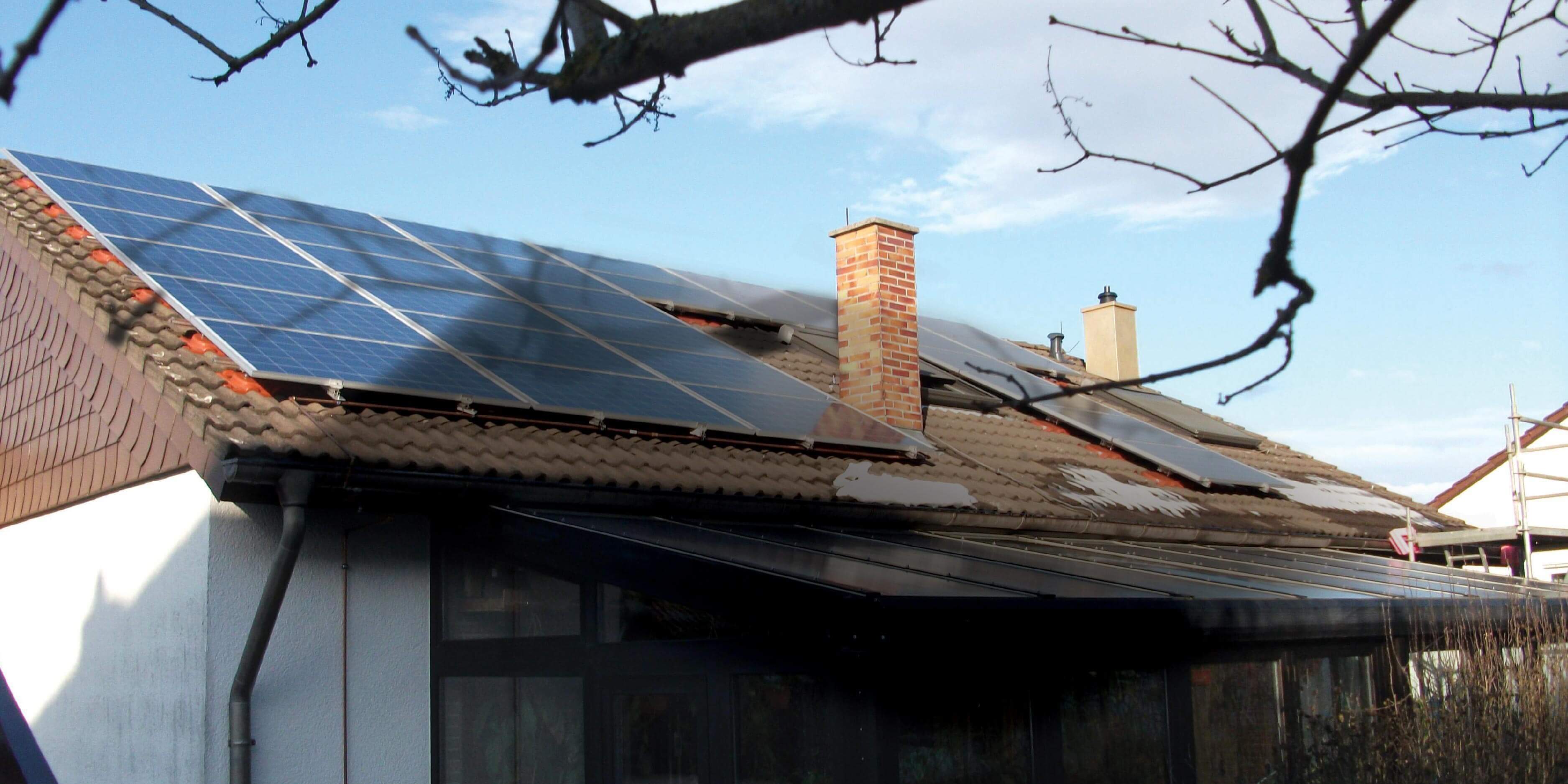
Shadows, whether cast by trees, buildings, or nearby structures, can greatly affect how well your solar panels work and, as a result, the amount of energy they can produce. Solar panels need sunlight to create electricity, so any shade that covers them can decrease their power-generating capacity.
When a solar panel is shaded, it still generates some power but can impact the overall efficiency of the entire solar array. Many solar setups are connected in series, so if one panel is shaded and its output decreases, it can drag down the performance of all panels linked to it in the system.
Modern solar panel installations often include microinverters or power optimizers, which help mitigate the impact of shading by allowing each panel to operate independently. With these technologies, a shaded panel won't dramatically reduce the efficiency of unshaded panels. This setup is particularly beneficial in areas where shading is unavoidable.
To maximize solar panel efficiency, consider the placement of solar panels concerning potential shading obstacles. This consideration might include seasonal changes in the sun's position and the growth of trees or new construction around your property. A well-planned installation can minimize the impact of shading and ensure your solar panels operate at maximum efficiency, providing the best return on your solar investment.
How Does the Orientation and Tilt of My Roof Affect Solar Energy Needs?
The orientation and tilt of your roof are crucial factors in the performance and efficiency of solar panels installed on your home. These elements significantly influence how much sunlight your solar panels can capture and convert into usable energy, ultimately affecting your system’s overall energy production.
Orientation: The direction your roof faces is vital. In the U.S., solar panels generate the most energy when positioned south-facing because they receive the most sunlight throughout the day. East or west-facing roofs might still be viable but typically produce less electricity compared to south-facing orientations. North-facing roofs are generally the least desirable for solar installations due to less direct sunlight.
Tilt: The angle of inclination of your panels, known as tilt or pitch, is crucial. A perfect tilt guarantees that the solar panels get sunlight throughout the year. While the recommended tilt angle is typically the same as the latitude of where they're installed, adjustments may be necessary based on changes and local weather conditions. For instance, increasing the tilt angle can enhance sun exposure in winter when the sun sits lower in the sky.
Carefully considering both the orientation and tilt of your roof will help maximize the efficiency of your solar energy system, lowering your electricity costs and increasing the amount of clean energy your home produces. SolarEdge-certified installers are equipped with tools and expertise to determine the best layout for your specific roofing attributes, ensuring you get the most out of your solar investment.
What Other Factors Should I Consider When Calculating My Home's Solar Energy Needs?
When planning your home solar energy system, several key factors must be considered beyond just the shading, orientation, and tilt of your roof. These elements influence the ideal size and configuration of your solar setup. Understanding these variables ensures that your system is perfectly tailored to meet your energy needs efficiently.
Energy Consumption Patterns: Your household’s energy usage pattern is fundamental in determining the size of the solar system required. How much energy you consume daily, along with peak usage times, can determine the necessary capacity of the solar installation to power your home adequately.
Geographic Location: Where you live affects how much sunlight your solar panels will receive, directly impacting their efficiency and the amount of energy they can produce. Areas with higher sunlight intensity typically require a smaller system to produce the same amount of power as a larger system in a region with less sunlight.
Roof Space: The available area on your roof or property for installing solar panels also plays a critical role. Limited or irregularly shaped roof spaces may require higher efficiency panels or alternative layouts to harness sufficient solar energy.
Local Climate Conditions: Local weather conditions such as frequent cloud cover, fog, or high pollution can reduce solar panel output and must be factored into the system size calculations. Additionally, regions with snowfall might need easy-to-clear panel setups to maintain effectiveness throughout the year.
Future Energy Needs: Anticipating changes in your energy consumption, such as adding an electric vehicle or expanding your home, can impact your immediate solar energy requirements. Planning for potential future increases in energy usage can save on costs and complexities associated with upgrading your solar system later on.
Integrating these factors into your calculations with the help of a SolarEdge-certified installer can ensure that your solar energy system is optimized not just for current conditions but also for future efficiency and sustainability. This proactive approach helps maximize your long-term benefits, contributing to cost savings and environmental impact.
What Is the Impact of Energy-Efficient Appliances on My Solar System Size?
Integrating energy-efficient appliances into your home can significantly impact the size and configuration of your solar energy system. As these appliances consume less electricity for the same level of performance compared to standard appliances, they can alter the calculations for your solar panel requirements.
Reduced Energy Consumption: Modern energy-saving devices, like fridges, washers, AC units, and lights, employ technology to reduce electricity consumption. Lowering your household's energy usage might require panels to fulfill your power requirements.
Smaller Solar System Size: Installing a solar energy system aims to match your energy production with your consumption. By reducing your household's energy through energy-efficient appliances, you can opt for a smaller, potentially less expensive solar system without sacrificing functionality and comfort.
Increased Cost Efficiency: Although the initial investment in energy-efficient appliances and a solar system might be higher, the combined savings on energy bills can lead to greater financial benefits over time. Reducing necessary solar capacity can also offset some of the costs of purchasing high-efficiency appliances.
Environmental Impact: Beyond just the sizing and economic aspects, using energy-efficient appliances reduces your household’s total carbon footprint. Combined with a solar energy system, this approach contributes significantly to environmental sustainability by decreasing energy use and reliance on non-renewable power sources.
Using energy-efficient appliances is crucial when designing your home solar energy system. This integration not only influences the size and cost of the system but also enhances overall home energy efficiency, economic savings, and environmental benefits. Consulting with a SolarEdge-certified installer can help you accurately assess and adjust your solar system size based on your specific appliance choices and energy goals.
How to Calculate Solar Needs for High Energy Consumption Appliances?
When integrating a solar energy system into your home, calculating the power requirements for high-energy consumption appliances like air conditioners, heaters, and large kitchen appliances is crucial for ensuring your system can handle peak demands efficiently. Here’s how you can determine the specific solar power needs for these energy-intensive devices:
Identify High Energy Consumption Appliances: Start by listing appliances known for high energy usage. This typically includes HVAC systems, water heaters, ovens, and other heavy-duty electrical appliances.
Gather Appliance Energy Ratings: Check the energy ratings for each appliance, typically expressed in watts or kilowatts. This information can usually be found on the appliance's label, in the user manual, or published online by the manufacturer.
Calculate Daily Energy Usage: To calculate how much energy you use each day, multiply the power rating by the time you use each appliance. For instance, if your air conditioner uses 2 kilowatts and runs for 5 hours daily, it consumes 10 kilowatt hours (kWh) every day.
Assess Peak Usage Times: Consider when these appliances are most frequently used daily. Solar panels generate power during daylight hours, so if high-consumption appliances are primarily used at night (like heating systems in some homes), you should also consider solar battery storage solutions.
Adjust for Total Solar Production: Calculate your total potential solar production based on your location's average sunlight hours and the efficiency and number of solar panels you plan to install. This will give you a clearer picture of whether your solar system needs adjustment to cover the energy usage of high-load appliances.
Consider Solar System Additions: Based on your calculations, you might decide to increase the number of solar panels, add a solar battery for storage, or upgrade to more energy-efficient models of your appliances to ensure your solar system can efficiently meet your overall energy needs.
By following these steps, you can tailor your solar energy system to meet the demands of high-energy-consumption appliances. This will ensure that your home remains effectively powered throughout the year, reduce reliance on grid electricity, and maximize your solar investment. A SolarEdge-certified installer can provide valuable assistance in making precise calculations and suggestions for system adjustments or upgrades.
How to Factor In Future Energy Needs When Calculating Solar System Size?
When planning a solar energy system for your home, it's essential to consider your current energy usage and potential future changes that could increase your power demand. Anticipating these changes can help you design a system that continues to meet your energy needs efficiently as your lifestyle or household evolves. Here’s how to factor in future energy needs effectively:
Anticipate Lifestyle Changes: Project any likely changes in your household that could affect energy consumption. This might include family expansion, home renovation, or working-from-home scenarios that could increase the use of electric devices and appliances.
Plan for New Technology Adoption: Consider the potential addition of high-energy consumption technology in the future, such as electric vehicles (EVs), which require a substantial amount of power for charging. Integrating an EV charger into your solar system planning is crucial if you foresee an electric vehicle in the future.
Upgrade Flexibility: Design your solar energy system with the flexibility to add more panels or upgrade components. Technologies like modular inverters or power optimizers can facilitate easy expansions or adjustments to your system.
Assess Energy Efficiency Improvements: Future improvements in home energy efficiency, such as upgrading insulation or installing energy-efficient windows, can reduce your overall energy needs. Factor these potential savings into your calculations, as they might offset some of the increased energy consumption from other sources.
Consider Battery Storage: If your future energy use is expected to spike during non-sunlight hours (for instance, charging an EV overnight), consider including battery storage in your solar system design. This addition will allow you to store excess power generated during the day for peak demand periods.
Consult with Professionals: Engage with a SolarEdge-certified installer who can help assess your possible future scenarios and reflect these in a comprehensive solar system design. Professional guidance ensures that your installation is optimized for today’s needs and adaptable to tomorrow’s changes.
A forward-thinking approach to designing your solar energy system ensures that it remains efficient, cost-effective, and sufficient to handle your home’s energy demands now and in the future.
Can I Expand My Solar System in the Future?
One common question homeowners ask about solar energy is whether they can expand their solar system in the future as their energy needs grow. Generally, the answer is yes, but homeowners should consider several factors to ensure that future expansion of their solar system is feasible and effective.
Initial System Design: Planning for potential expansion is crucial when installing your initial solar system. This means choosing components, like inverters, that can handle a larger number of panels or a higher energy output than what you currently require. SolarEdge systems are particularly advantageous because they often include power optimizers, allowing easy scaling.
Space Considerations: Ensure your roof or installation area has enough space to accommodate additional solar panels. If roof space is limited, future expansions might require installing panels in a different location or switching to higher-efficiency panels that produce more energy in the same amount of space.
Grid Connection Regulations: Depending on where you live, regulations or limits on the size of residential solar systems connected to the grid may exist. Before planning an expansion, check with local authorities or your utility company about any potential restrictions or additional requirements.
Cost Implications: While expanding a solar system has benefits, it can also come with significant costs. Additional panels, labor, and possibly upgrading components like inverters may be necessary. However, these costs can often be offset by increased savings on energy bills.
System Compatibility: If you’re considering adding new panels or technology in the future, it's important to ensure they are compatible with your existing system. Using the same type or brand of panels and inverters can help maintain efficiency and reliability.
Professional Consultation: When you're considering expanding your solar system, always consult with a professional installer, like a SolarEdge-certified technician. They can provide valuable insights into the best way to scale up your setup based on the latest technology and regulations.
While starting with a smaller solar system and expanding later is certainly possible, it requires careful planning and consideration of various technical and regulatory factors. With the right approach and professional guidance, your solar system can grow alongside your energy needs, ensuring sustainability and cost-effectiveness in the long run.
How Many Solar Panels Do I Need Based on My Electricity Bills?
Determining the number of solar panels you need based on your electricity bills is crucial in planning your home solar energy system. Your electricity bills reflect your household's energy consumption, which is a key factor in sizing your solar installation correctly. Here’s how you can translate your current electricity usage into the number of solar panels required:
Analyze Your Electricity Bills: Gather your electricity bills from the past year to understand your monthly and annual energy usage, usually measured in kilowatt-hours (kWh). Look for seasonal variations; your energy use may be higher in summer due to air conditioning or heating in winter.
Estimate Solar Panel Output: Solar panels have a particular wattage, which signifies the energy they produce under ideal conditions. This wattage, combined with the number of peak sunlight hours your location receives daily, helps determine how much energy each panel can make per day and year.
Calculate Panel Requirements: Divide your household’s total yearly kWh usage (from your electricity bills) by the estimated annual output of a single solar panel. This calculation gives you the approximate number of panels needed to cover your energy consumption. For instance, if your home uses 12,000 kWh a year and each panel can generate 1,000 kWh yearly, you would need about 12 panels.
Consider Efficiency Losses: Solar panel efficiency can be affected by several factors, including geographic location, tilt, orientation, and potential shading. It's prudent to factor in a margin to account for these inefficiencies. A general rule is to increase your calculated number of panels by 10% to 20% to ensure your needs are met even when conditions are not ideal.
Consult with a SolarEdge Certified Installer: Working with a professional installer like a SolarEdge-certified partner ensures that all aspects of your local environment, roof specifics, and personal usage patterns are considered. They can provide a more precise calculation and advice on the best types of panels and system configurations for your specific situation.
Thoroughly understanding your electricity usage and working with skilled professionals, you can tailor a solar system that meets your energy needs and maximizes your investment in renewable energy.
Does Installing a Solar Battery Change My Solar Energy Calculations?
Adding a solar battery to your home energy system will influence your solar setup's overall calculations and design. A solar battery stores excess energy produced during peak sunlight hours, which can be used later when solar production is low, such as during nighttime or on cloudy days. Here’s how the addition of a battery impacts your solar energy system size and calculations:
Increased Energy Independence: With a battery, you can store surplus solar energy instead of returning it to the grid. This capability allows you to use your solar power during periods of high demand or when the panels are not producing electricity, increasing your self-consumption rate.
Potential Reduction in System Size: Because you can store and use more energy your panels produce, you might only need to install as large a system as you would with a battery. The battery extends the effectiveness of the energy produced, meaning you can satisfy your energy needs with fewer panels.
Enhanced Energy Security: A battery can provide power during outages, adding a layer of energy security for your home. This benefit is particularly valuable in areas with unreliable grid service or frequent power outages.
Financial Impacts and Incentives: Installing a battery may qualify you for additional incentives, such as tax credits and rebates, which could affect the overall economics of your solar project. Additionally, with a battery, you might avoid high electricity rates during peak times if your utility uses time-of-use (TOU) pricing, thus saving more on your energy bills.
Adjustments to Energy Output Calculations: When planning a system with a battery, calculations must include how much energy you consume and when you consume it. This change can affect the system’s configuration and the battery size needed to match your usage patterns effectively.
Working with a SolarEdge-certified installer is advisable to accurately assess the impact of adding a battery to your solar system. A SolarEdge-certified installer can provide detailed analyses based on your specific energy usage, solar production patterns, and financial goals, ensuring that your solar panels and battery are perfectly sized to meet your energy and economic needs.
Can I Use Solar Energy to Power My Entire Home?
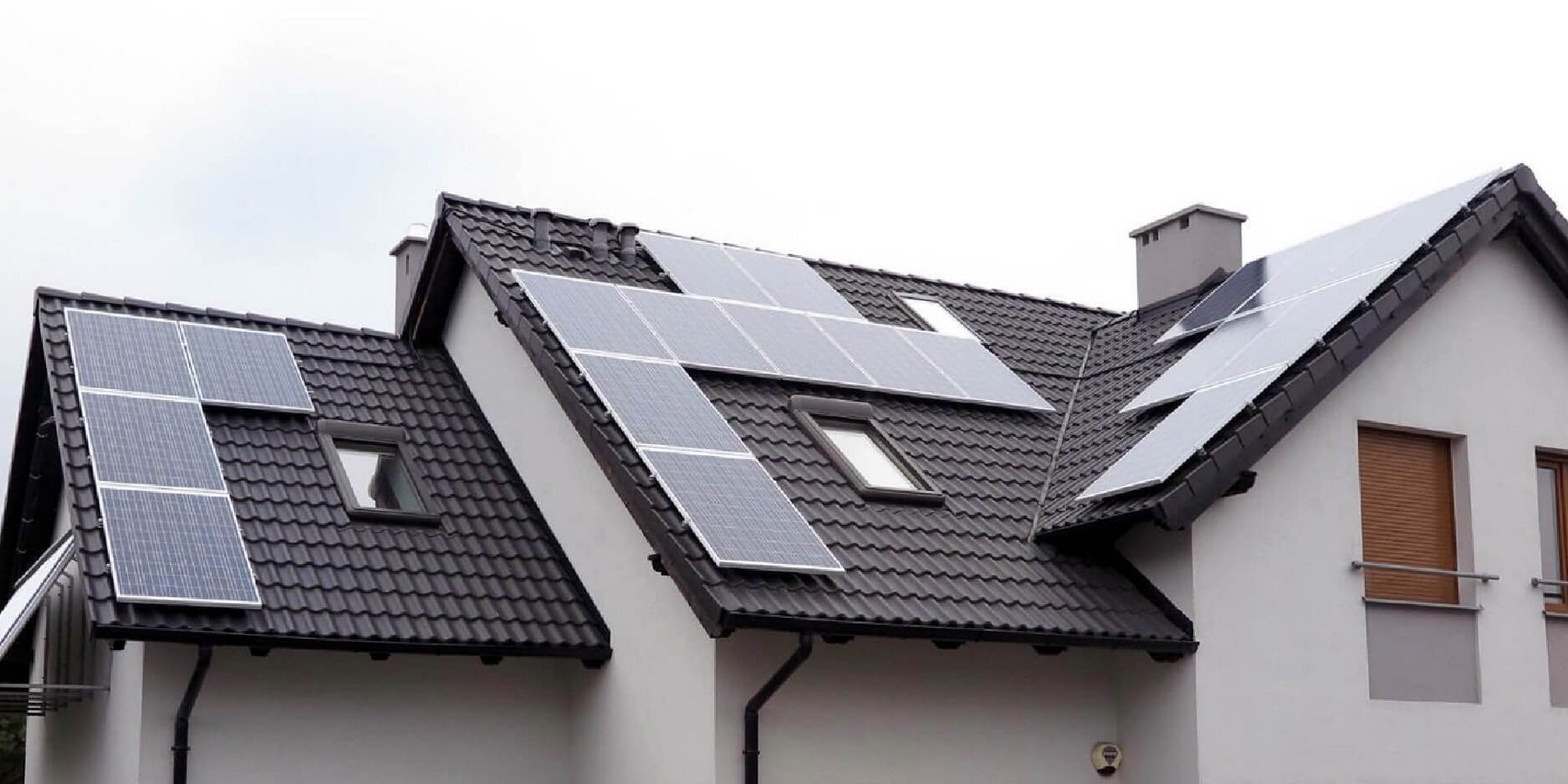
Many homeowners wonder if it's possible to use solar energy to completely offset their home's energy needs, effectively reducing their grid electricity consumption to zero. The feasibility of achieving complete energy independence with solar power depends on several key factors:
Energy Consumption Patterns: The amount of energy your household consumes plays a critical role. If your energy usage is relatively low, it's more feasible to meet all your needs with solar energy.
Solar System Sizing: To power your home entirely with energy, it's crucial to determine the size of your solar system by considering your total energy consumption. This includes calculating your home's kilowatt-hour (kWh) usage and designing a system that can generate that amount.
Sunlight Availability: The location of your home affects how much sunlight your solar panels will receive, which in turn impacts the amount of solar energy you can generate. Homes in sunnier regions can more easily achieve full energy coverage with solar panels.
Seasonal Variations: Solar energy production can fluctuate based on the time of year. In many regions, winter means less sunlight and shorter days, which could reduce solar panel output. Planning for these variations is crucial, which might mean installing additional panels or using a battery storage system to maintain energy supply.
Energy Storage Solutions: Incorporating batteries can help store excess solar energy generated during peak hours, which can be used during periods of low solar production or high energy consumption. This storage capability is essential for homes aiming to be entirely powered by solar energy.
Energy Efficiency Measures: Reducing your overall energy consumption through energy-efficient appliances, LED lighting, and good home insulation can lower your energy needs, making it easier to achieve full reliance on solar power.
Regulatory and Grid Connection Considerations: Depending on local regulations, some homes may be required to maintain a grid connection, even if they don’t use it regularly. In some areas, homes that generate excess solar electricity can also receive credits from their utility company through net metering programs.
For homeowners interested in using solar energy to power their entire home, consulting with a SolarEdge-certified installer is recommended. They can provide detailed insights and design a system tailored to meet 100% of your energy needs, ensuring your move to solar is successful and sustainable.
How Do Roof Size and Sunlight Exposure Affect My Solar Energy Calculation?
Two major factors—the size of your roof and the amount of sunlight it receives—heavily influence the effectiveness and sizing of your home solar energy system. Understanding these elements is crucial for designing an efficient solar setup that maximizes energy production while fitting within the physical constraints of your property.
Roof Size: The available surface area on your roof determines how many solar panels you can physically install. Larger roofs can accommodate more panels, which can increase your solar system's total energy production capability. Conversely, smaller or irregularly shaped roofs may require high-efficiency panels that generate more electricity per square foot to meet your energy needs within a limited space.
Sunlight Exposure: The direct sunlight your roof receives daily directly affects your solar panels' energy production. Several factors can influence sunlight exposure:
- Geographical Location: Homes in regions with higher solar irradiance (such as the Southwestern United States) will naturally receive more sunlight than those in less sunny areas.
- Roof Orientation: Ideally, solar panels are installed on sections of the roof that face south in the Northern Hemisphere to maximize exposure to the sun throughout the day.
- Shading: Trees, neighboring buildings, and other obstructions that cast shadows on your roof can significantly reduce the amount of sunlight reaching your solar panels, impacting their performance. To optimize panel placement, it’s important to assess potential shading issues at different times of the day and year.
Environmental Factors: Local climate conditions also play a role. Areas prone to frequent cloud cover or fog may see reduced solar energy output. Regions with high levels of airborne dust or pollution might necessitate more frequent solar panel cleaning to maintain optimal efficiency.
When calculating your solar energy needs, it’s crucial to consider these physical and environmental factors in detail. A SolarEdge-certified installer can help conduct a thorough site assessment, using tools like solar pathfinders or digital modeling to evaluate your roof’s potential for solar energy production accurately. This assessment ensures that your system is correctly sized for maximum efficiency and reliability throughout its operational life, adapting to your specific home environment.
What Is Net Metering and How Does It Affect My Solar System Size?
Net metering is an advantageous policy for solar energy system owners. This policy permits them to feed excess electricity from their solar panels back into the grid. In return, they receive credits. Understanding how net metering works is essential because it directly influences your solar energy system's financial payback and sizing.
Net Metering:
Net metering regulations allow individuals with setups to treat the power grid as a form of storage. If your solar panels generate electricity beyond what your household needs, this extra energy is sent back into the grid. In exchange, you earn credits on your utility bill for the electricity you contribute to the grid. You can use these credits to lower the expenses of using grid power when your solar installation is not producing energy, such as during the night or on days with limited sunlight.
Impact on Solar System Size:
-
Reduced Need for Oversizing: With net metering, each kilowatt-hour of excess solar power you generate can offset a kilowatt-hour drawn from the grid at another time. This can reduce the need to oversize your system to ensure enough power during low-sunlight periods.
-
Economic Optimization: Net metering can significantly enhance the economic benefits of installing a solar system. By receiving credits for the excess energy, the effective cost per kilowatt-hour of solar-generated electricity is reduced, improving your system's overall return on investment.
-
Encourages Maximizing Production: In areas with favorable net metering policies, there's an incentive to maximize solar energy production. This might lead to installing as many panels as your roof can accommodate or choosing higher-efficiency panels to increase output.
Considerations:
Local Policy Variations: Net metering policies vary widely depending on the state and utility company. Some areas have caps on the amount of energy that can be net-metered, or they may offer less favorable credit rates for solar electricity sent to the grid.
Future Changes in Policies: It’s important to stay informed about potential changes to net metering regulations in your area. Policy adjustments could affect the long-term financial calculations of your solar energy system.
Before deciding on the size of your solar system, consult a SolarEdge-certified installer with up-to-date knowledge of local net metering policies. They can help tailor a system that aligns with these policies while meeting your energy needs efficiently, ensuring you get the most out of your solar investment.
How Do Seasonal Variations in Sunlight Affect Solar Energy Production?
Seasonal variations in sunlight impact the performance and energy production of solar panel systems. Understanding how these changes affect solar output is essential for managing expectations and planning for energy needs throughout the year.
Influence of Seasonal Changes:
-
Sun Path and Intensity: The sun's path changes with the seasons, being higher in the sky during summer and lower during winter. This variation alters the amount of solar radiation your panels receive. In summer, longer daylight and a higher sun angle increase solar production. Conversely, shorter days and a lower sun angle during winter reduce the amount of energy generated.
-
Weather Conditions: Seasonal weather patterns also play a role. For example, areas might experience more cloudy and rainy days during certain seasons, which can decrease solar panel efficiency and output. Additionally, regions with snow may see solar panels covered, temporarily reducing their effectiveness until cleared.
-
Air Temperature: Solar panels operate more efficiently in cooler conditions. Thus, even though winter days are shorter, the cooler temperatures can enhance panel performance during the hours of sunlight.
Planning for Seasonal Variations:
-
System Sizing: When designing a solar system, it’s crucial to consider these seasonal fluctuations. Sometimes, it might be necessary to size the system to meet winter energy needs to ensure sufficient power year-round, especially in regions with significant winter energy consumption.
-
Energy Storage Solutions: Incorporating battery storage can mitigate the impact of seasonal variations. Storing excess energy produced during sunnier months can help offset lower production periods, providing a more consistent energy supply.
-
Usage Adjustments: Homeowners may also adjust their energy usage patterns seasonally. Using energy-intensive appliances like dishwashers and laundry machines during peak sunlight hours can maximize solar usage and reduce reliance on stored or grid energy.
-
Monitoring and Maintenance: Regular monitoring can help you understand the impact of seasonal changes on your system’s performance. Seasonal maintenance checks are also advisable to ensure panels are clear of debris, snow, or anything else that might obstruct sunlight.
Understanding and planning for these seasonal variations in sunlight exposure, you can optimize their solar energy systems to ensure efficient, reliable performance throughout the year. Consulting with a SolarEdge-certified installer can provide additional insights and recommendations tailored to your geographic and climatic conditions.
How Do Solar Incentives and Rebates Affect My System's Size and Cost?
Solar incentives and rebates are pivotal in determining the financial viability and sizing of your home solar energy system. These financial benefits can significantly influence your decision on how large a system to install based on cost-effectiveness and energy production goals.
Impact of Incentives and Rebates:
-
Reduced Upfront Costs: Solar benefits, like tax breaks, refunds, and financial aid, can cut down the expenses of buying and setting up a panel system. For instance, the federal solar investment tax credit (ITC) enables homeowners to subtract a portion of the installation cost of an energy system from their federal taxes, thereby reducing the initial capital needed.
-
Optimizing System Size: With lower effective costs, you might opt for a larger system than initially planned. A bigger system can generate more electricity, potentially covering all your energy needs and increasing your utility bill savings. This is particularly advantageous if you have the roof space and if additional incentives are available for larger installations.
-
Improved ROI: Rebates and other incentives improve the return on investment by reducing the payback period. The savings from reduced energy bills and initial incentives can make solar more attractive financially. This could also influence you to invest in advanced technologies or premium panels with higher efficiencies, further increasing your system’s energy output.
-
State and Local Variations: The type and amount of incentives available vary significantly depending on your location. Some states and municipalities offer additional incentives beyond federal ones, which can further reduce the cost and influence the size of the system you install.
-
Long-Term Financial Planning: Incentives can also affect long-term financial planning regarding solar installations. With the availability of financial support, it is worth considering future expansions or upgrades to your system. These incentives can help offset the initial and incremental investments required.
Consultation and Planning:
We recommend consulting with a SolarEdge-certified installer or a financial advisor to understand the specific incentives available in your area and how they can be maximized. These professionals can help tailor a solar installation plan that balances the best in technology, budget alignment, and maximized incentives, ensuring you get the most out of your investment in solar energy.
By taking full advantage of available solar incentives and rebates, you can significantly enhance the scope and capacity of your solar energy system, making it a more effective and economical addition to your home.
Can Homeowners manage Software Updates for SolarEdge Systems?
SolarEdge systems are designed with advanced technology that often includes the capability for software updates to enhance system performance and introduce new features. Understanding whether homeowners can manage these updates themselves is vital for maintaining the system’s efficiency and longevity.
Homeowner Access to Software Updates:
-
Automated Updates: Many SolarEdge systems are configured to receive software updates automatically. Homeowners do not need to intervene as these updates can be delivered remotely, ensuring that your system always runs the latest software version with minimal hassle.
-
Manual Updates: Depending on the specific SolarEdge model and setup, manual updates may be necessary on occasion. In these instances, SolarEdge provides detailed instructions and support to guide homeowners through the update process safely and effectively.
Benefits of Software Updates:
-
Enhanced Performance: Regular updates can optimize your solar system's performance, address bugs, and ensure compatibility with evolving solar technology and standards.
-
New Features: Updates may include new monitoring capabilities, improved integration with home energy systems, or more efficient energy management tools, all of which can enhance your ability to manage your solar system effectively.
-
Security Improvements: As with any connected technology, security is crucial. Software updates often patch vulnerabilities and bolster system security to protect your solar installation from potential threats.
Support and Assistance:
-
Customer Support: SolarEdge offers robust customer support for homeowners needing software updates. Homeowners can access this support via phone, email, or a dedicated mobile app, which provides guidance and troubleshooting if issues arise.
-
Professional Assistance: For updates that require more technical expertise, or if homeowners are uncomfortable performing updates themselves, it is wise to contact a certified SolarEdge technician. Professional installers can ensure that updates are performed correctly and safely.
While many software updates for SolarEdge systems can be managed automatically or with minimal homeowner intervention, staying informed about the update process is always important. SolarEdge provides necessary resources and support to assist homeowners in managing their system software, ensuring your solar energy system remains at peak performance throughout its lifespan.
How to Ensure Optimal Performance of SolarEdge Systems Year-Round
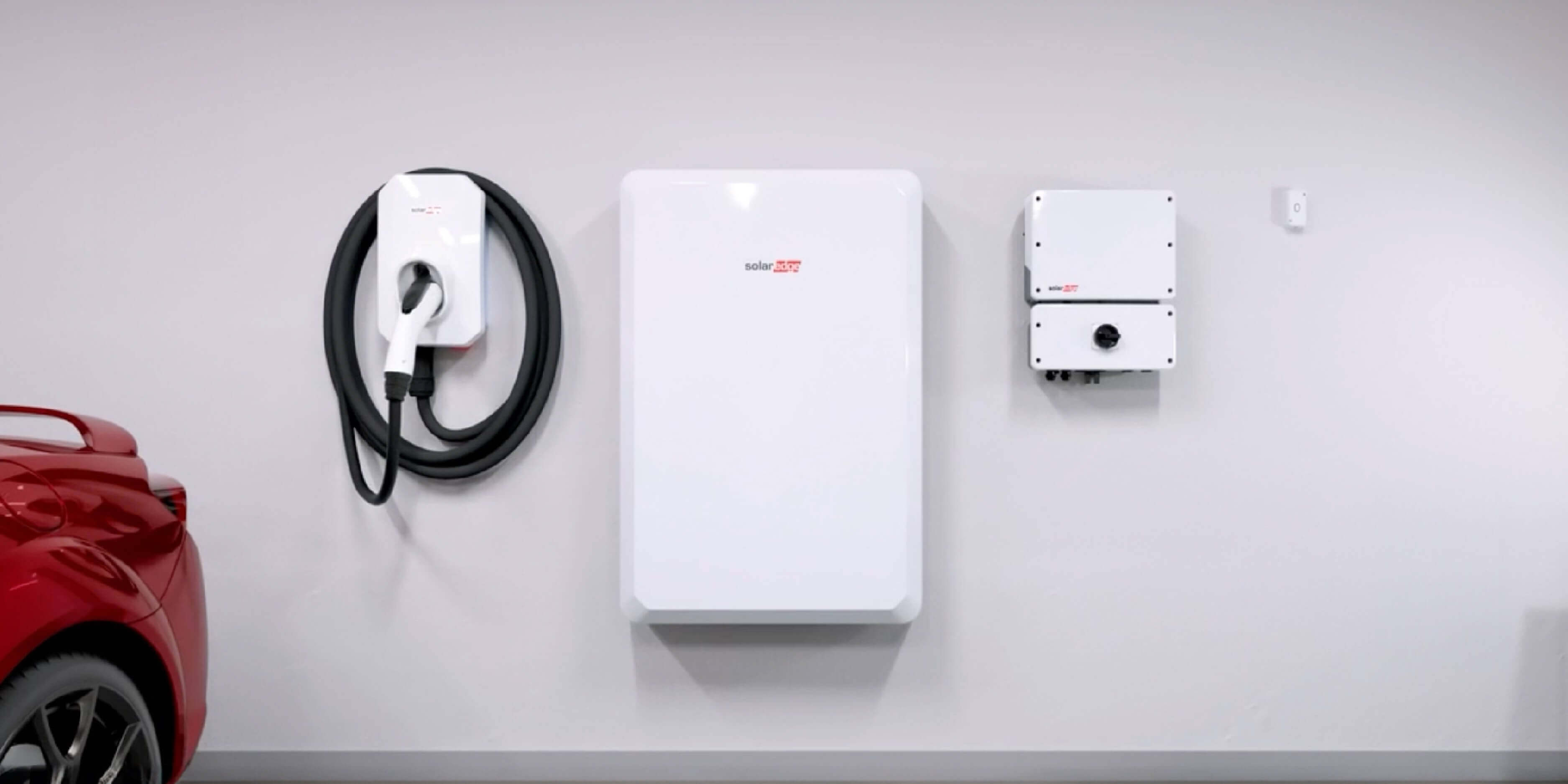
Maintaining the performance of your SolarEdge system throughout the year involves several key strategies to address seasonal variations and ensure consistent, efficient operation. Here’s how you can keep your SolarEdge solar energy system running smoothly regardless of the season:
Regular Maintenance Checks:
-
Seasonal Inspections: Schedule a professional solar system inspection at least twice a year. These inspections should focus on checking panel cleanliness, ensuring secure and intact hardware, and verifying that all electrical connections are safe and functioning properly.
-
Clean Solar Panels: Keep solar panels clean from dust, leaves, snow, or other debris that can accumulate and block sunlight. Consider systems like automated panel heaters or more frequent manual clearing during winter months in areas with heavy snowfall.
Monitor System Performance:
-
Use SolarEdge Monitoring Software: Take full advantage of the SolarEdge monitoring platform to track the performance of your system in real-time. This software can alert you to efficiency issues or potential faults, allowing for prompt corrective actions.
-
Energy Usage Review: Regularly review energy production and consumption patterns through the monitoring system. Look for any significant changes that could indicate a problem or an opportunity for system optimization.
Optimize Settings for Seasonal Changes:
-
Adjust System Parameters: Work with your SolarEdge installer to adjust inverter settings based on seasonal changes to maximize energy capture and conversion. For example, changing a solar battery system's charge and discharge settings can improve efficiency based on your seasonal energy usage.
-
Panel Reorientation: If feasible, adjust the tilt angle of your solar panels seasonally to capture the optimal amount of sunlight. Panels should be angled more steeply in the winter to maximize exposure when the sun is lower in the sky.
Prepare for Extreme Weather:
-
Weatherproofing: Ensure all solar system components are well-maintained and weatherproofed against local climate conditions. This includes securing panels and inverters against high winds and ensuring clear drainage to prevent water accumulation.
-
Surge Protection: Implement surge protection for your system to protect against potential damage from lightning strikes or power surges, which can be more common in certain seasons.
Professional Support and Firmware Updates:
-
Keep Firmware Updated: Stay current with SolarEdge's latest firmware updates. These updates can improve system functionality and integrate the latest advancements in solar technology.
-
Leverage Professional Support: Maintain a good relationship with your SolarEdge-certified installer, who can provide ongoing support, update you on new developments, and help troubleshoot any issues quickly.
By following these tips and maintaining proactive communication with your SolarEdge service provider, you can ensure that your solar system performs optimally all year round, providing reliable, efficient energy production that maximizes your investment.
Empower Your Home with SolarEdge: Year-Round Efficiency and Reliability
By adhering to the maintenance recommendations and using the monitoring features provided by SolarEdge, you can guarantee that your solar setup functions at its best, no matter the time of year. Embrace the capabilities of power and make an eco-friendly decision that positively impacts both your home and the planet. Eager to enhance your energy efficiency with SolarEdge? Get in touch with us now to revolutionize how you fuel your residence!
Frequently Asked Questions About Home Solar Energy Systems:
What Is the Role of Inverters in Determining Solar System Size?
Inverters convert solar-generated DC electricity into AC electricity for home use. Their capacity influences the number of solar panels that can be added to your system, impacting the overall size and efficiency of your solar energy setup.
How Do Local Building Codes and Regulations Impact Solar System Design?
Local codes and regulations dictate the installation specifics, such as system size, panel placement, and safety standards, ensuring your solar setup is compliant and optimized for your area's requirements.
Can I Use Solar Panels for Both Electricity and Heating?
Absolutely, solar panels can produce electricity. Using thermal technology, you can use them to heat your house and water, providing a flexible option to fulfill different energy requirements.
How to Calculate the Break-Even Point for Solar Energy Investment?
Determine the break-even point by dividing the cost of your solar power setup by the yearly money saved on your energy bills. This will show you how many years it will take to recover your investment through savings.
What Considerations Are Needed for Solar Panel Installation in Snow-Prone Areas?
In snow-prone areas, solar panels should be installed at angles that help snow slide off to prevent accumulation, and they must be durable enough to withstand the weight of the snow. Additionally, the system should be designed to maintain efficiency despite potential reductions in sunlight.
How Does the Age and Condition of My Roof Affect Solar Panel Installation?
The age and quality of your roof play a role in determining if installing panels is viable. A newer, well-kept roof is the choice for setting up solar panels. On the other hand, older roofs or those that need repairs may need enhancements before or during the installation of panels to ensure they can handle the weight and operational needs of the system.
Are There Special Solar Panel Options for Limited or Small Roof Spaces?
Yes, high-efficiency solar panels are designed specifically for limited or small spaces, maximizing energy production in a compact area.
How Does the Integration of Smart Home Systems Affect Solar Energy Calculations?
Smart home systems can enhance energy efficiency, potentially reducing the scale of solar energy needed. They allow more precise tracking and management of energy consumption and solar production.
What Are the Long-Term Financial Benefits of Installing a Home Solar Energy System?
Long-term benefits include reduced electricity bills, protection against rising energy costs, and potential increases in property value. Solar installations also often qualify for incentives that improve ROI.
How to Plan for Solar Panel Maintenance and Repairs in System Sizing?
Factor in easy access for maintenance and potential future upgrades or repairs when designing your system size and layout. Planning for simplicity and accessibility can help minimize future costs and disruptions.


